The Influence of Risk Perception
In the realm of casino gaming, a player’s perception of risk plays a pivotal role in shaping their strategies. This perception can significantly influence betting behavior and decision-making during gameplay. For instance, individuals who view gambling as a high-risk activity might adopt more conservative strategies, opting for bets that yield lower but more consistent returns, while those who perceive risk as manageable might engage in riskier bets in hopes of substantial wins. While considering these strategies, some players may prefer options like no gamstop casino for a unique experience.
Understanding risk perception is crucial for casinos as well, as they often design games that cater to various psychological profiles. By leveraging this understanding, casinos can create environments that encourage players to feel more comfortable, potentially leading to increased playtime and spending. This dynamic interplay between risk perception and game design is key to understanding why certain strategies are favored over others in different gaming contexts. 
The Role of Cognitive Biases
Cognitive biases are systematic patterns of deviation from norm or rationality in judgment. In the context of casino games, these biases can heavily influence player strategies and outcomes. The illusion of control is one such bias where players believe they can influence the outcome of games that are fundamentally based on chance. This belief often leads them to take greater risks, as they overestimate their ability to win.
Another prevalent cognitive bias in gambling is the gambler’s fallacy, which leads players to think that past outcomes can influence future results in games of chance. This fallacy can result in flawed strategies, such as increasing bets after losses, predicated on the belief that a win is ‘due.’ Understanding these biases can provide insight into the decision-making processes of players and help in developing more effective game strategies.
The Impact of Emotions on Decision Making
Emotions are a powerful force in the world of gambling, often dictating player behavior and strategy choices. The excitement of a winning streak can lead to overconfidence, prompting players to increase their bets without considering the odds. Conversely, the disappointment of a loss can induce stress or frustration, which may lead to reckless decision-making, such as chasing losses with irrational bet increases.
Furthermore, the concept of ‘gambling addiction’ also ties into the emotional aspect, where the thrill of potential wins can overshadow rational thinking. Players may disregard sound strategies in favor of emotional-driven actions. Recognizing how emotions influence gambling behavior is essential for both players and casinos in promoting responsible gaming practices.
Understanding the Player’s Mindset
The mindset of a casino player can vary greatly, influencing their strategic approach to games. Some players adopt a purely entertainment-driven mindset, where the primary goal is enjoyment rather than winning. This perspective can lead to less strategic planning, resulting in a more spontaneous betting behavior. In contrast, others approach casino games with a competitive mindset, focusing on strategy and skill to maximize their chances of success.
This distinction in mindsets highlights the need for tailored strategies in gaming environments. For instance, casinos may implement educational resources for players who wish to adopt a more strategic approach, while simultaneously creating entertaining experiences for those who prioritize enjoyment. Understanding the player’s mindset allows for the development of targeted marketing strategies and game offerings that resonate with different types of players.
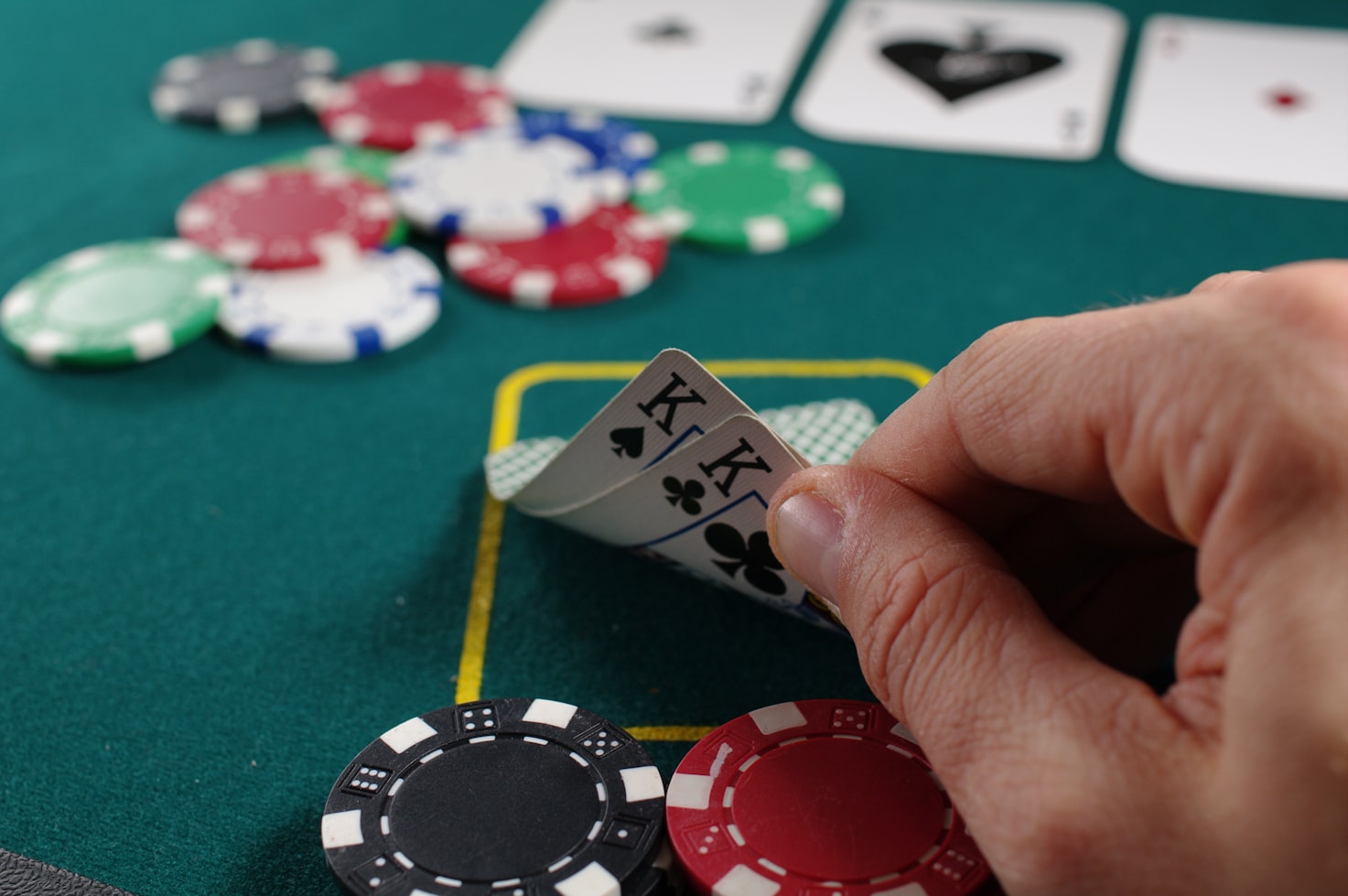
Exploring Casino Game Strategies on Clinton Cards
While Clinton Cards is primarily known for greeting cards, it also embodies the creativity and emotional connections found in casino experiences. Just as players strategize their bets based on psychological factors, customers at Clinton Cards can find the perfect card that aligns with their sentiments for various occasions. The psychology behind choosing the right card—whether it’s for a birthday, holiday, or special celebration—mirrors the careful consideration that goes into developing effective casino strategies.
Both the casino industry and greeting card market rely on understanding their audiences. Just as players seek the thrill of potential wins, customers seek meaningful connections through their choices of greeting cards. Clinton Cards effectively captures this essence, ensuring that every card resonates with the emotional state of the sender, much like a well-formulated gambling strategy can enhance a player’s experience.